
Born of Skilful Seasoning
Caribbean cooking was built by turning what was to hand into something unforgettable. A short look at the culture that gave us Kurma.
Some of the world's best loved food was never planned. It was improvised, out of necessity, by people a long way from home.
A cuisine made from what was to hand
When indentured labourers arrived in Trinidad from the 1840s, they brought their cooking with them but not their pantry. India remained a distant memory, kept alive through the foods they managed to recreate despite real hardship. Familiar ingredients gave way to local ones. Techniques were adapted. Curry, roti, pilaf and a hundred smaller traditions found new forms, and over time melded with the island around them. A new cuisine was born, distinctly Indo-Trinidadian, made from skilful seasoning rather than abundance.
Food as belonging
In a place where so much had been taken away, the kitchen became a way of holding on. Passing a recipe to the next generation was an act of memory and of quiet resistance. It is why so much Caribbean food still carries a sense of occasion and welcome. A dish is rarely just a dish. It is a story of where a family came from, and proof that they made a home.
Where Kurma fits
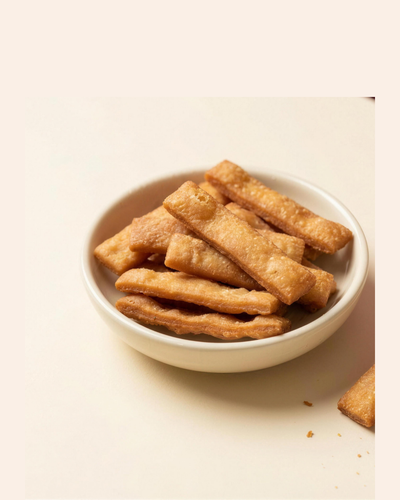
Kurma sits right inside this tradition. It began as a festival sweet, made in great batches at Diwali and given away freely. It was never a luxury in the showy sense, but it was always generous, the kind of thing you pressed into a neighbour's hands. That is the spirit we try to honour. We think these are remarkable foods that simply have not been introduced widely enough, and that the best way to share a culture is to share its table.
A bigger story than one snack
The Caribbean food story is one of resilience turned into joy. It is the reason a humble fried sweet can carry the weight of an ocean crossing and still taste like celebration. We are proud to bring a small part of it to Britain, made with care, and offered in the same generous spirit it was always given.